
IoT + CONNECTIVITY
Useful farm data. A clear connection path.
Connected farming starts with defined devices, sensible measurement locations, reliable local operations, and a secure route from field readings to decisions.
THE PROPOSED ARCHITECTURE
Low-power sensing. Local safeguards. 5G backhaul.
Weather, soil, crop environment, water, and tractor data.
LoRaWAN / wired interfaces / local Wi-Fi
Collect readings. Keep operating safeguards at the farm.
Local logging + approved controller interfaces
A separate router connects the farm network to the internet.
Coverage, SIM, antenna, and carrier plan required
Authorized users review trends, alerts, and equipment status.
Public website remains read-only
Internet availability is not a safety interlock. Roof movement, irrigation limits, pump protection, and tractor controls must remain under approved local systems.
SEEED STUDIO FIELD SENSORS
See the devices behind the farm data.
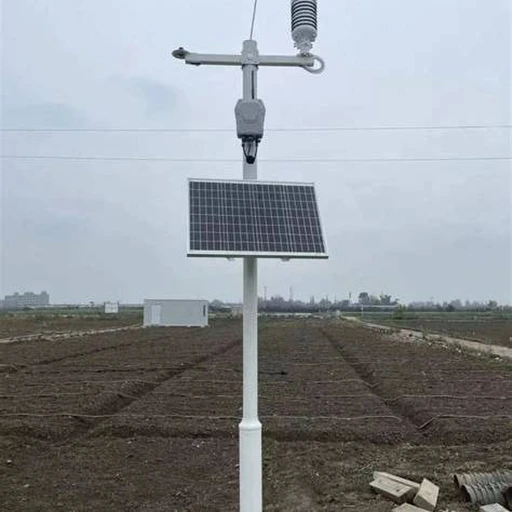
These manufacturer product photographs show four SenseCAP devices that can inform the SiFT Smart Demonstration Farm design. Select and commission the exact models for the local environment and radio regulations; this gallery does not imply that the devices are already installed or integrated with SiFT.

S2120 · Field microclimate
Measures: air temperature, humidity, wind speed and direction, rainfall, light intensity, UV index and barometric pressure. Connection: LoRaWAN to a compatible gateway. The farm would use the readings for weather context, work planning and irrigation review. Site it in an appropriately open location; the Cravo roof needs its own supplier-approved safety inputs.

S2105 · Root-zone conditions
Measures: volumetric soil moisture, soil temperature and electrical conductivity (EC). Connection: LoRaWAN. Proposed locations include representative crop beds and irrigation zones. Interpret moisture against local soil or substrate calibration; EC helps track conductivity and salinity, but is not a direct nitrogen, phosphorus, potassium or pH test.

S2101 · Nursery and crop climate
Measures: air temperature and relative humidity. Connection: LoRaWAN, with Bluetooth used for setup. Separate representative measurements are proposed for vegetable-transplant propagation and the tomato, cucumber and bell-pepper production area. Use suitable shielding and placement rather than treating a sun-heated enclosure as crop-air temperature.

S2102 · Light and shade context
Measures: illuminance in lux, with a manufacturer-listed range of 0–160,000 lux. Connection: LoRaWAN. Compare representative shaded and exposed locations when reviewing the growing environment. Lux is not photosynthetically active radiation; a suitable PAR sensor is needed for crop-light measurements expressed as photon flux.
Product photographs: Seeed Studio,
A sensor network is not the same thing as a 5G network.
In the proposed architecture, low-power field devices send small readings over LoRaWAN. A network server authenticates and decodes those messages; an application service associates them with crop zones and displays them. A separate 5G router, with 4G fallback where supported, provides internet backhaul. Cameras and detailed tractor logs use suitable Ethernet, Wi-Fi or cellular links rather than crowding the low-rate sensor channel.
Commission the one-hectare farm by recording each device ID, location, units, calibration, reporting interval and last-seen time. The one-acre Cravo house has separate half-acre propagation and protected-production zones. Keep crop thresholds and local operating safeguards independent of the public website, and mark stale readings instead of presenting them as current.
Seeed smart-agriculture sensing reference · SiFT Tractor connectivity · Petroleum savings · Customer Farm Connect
DEFINED DEVICES
A practical device register.
| Device | What it does | Reference / selection | Connection |
|---|---|---|---|
| Weather station | Air temperature, humidity, rainfall, wind, and light, depending on the selected model.Field microclimate; a roof-safety sensor requires its own approved placement. | Seeed SenseCAP ONE / selected weather configuration | LoRaWAN or wired interface to gateway |
| Soil / substrate probes | Root-zone moisture and temperature; EC only with a suitable calibrated probe.Sample representative irrigation zones and relevant root depths. | Seeed SenseCAP-compatible probes | LoRaWAN node or RS485 interface |
| Protected-house sensors | Crop-level temperature, relative humidity, and selected light measurements.Separate propagation and fruiting-crop monitoring locations. | Selected environmental sensor nodes | LoRaWAN / wired |
| Water instrumentation | Tank level, flow, pressure, and operating status.Verify water availability and compare planned with measured irrigation. | Specified level, flow, and pressure devices | Pulse / analogue / RS485 to controller |
| Valve and pump controller | Zone commands, schedules, limits, and fault states.Local dry-run protection and maximum-run safeguards. | Integrator-selected industrial controller | Wired local control; gateway telemetry |
| Tractor telemetry | Approved operating hours, battery state, energy, and service signals.Model-specific read-only interface with manufacturer approval. | SiFT-supported interface, to be confirmed | Approved vehicle interface to edge gateway |
| Solar and energy meter | Charging energy, generation, and selected system status.Separate tractor energy from irrigation and other farm loads. | Compatible inverter / energy meter | Approved meter interface / local network |
| Field cameras | Visual crop context, not automatic proof of disease or yield.Privacy-conscious placement with access controls. | Optional network cameras | PoE Ethernet / local Wi-Fi |
| LoRaWAN gateway | Collect low-rate sensor traffic and forward authorized messages.Enclosure, radio band, antenna, and network-server setup required. | SenseCAP M2 Multi-Platform or approved equivalent | Ethernet to router; model options vary |
| 5G backhaul router | Connect the local network to internet services.Coverage survey, suitable SIM, antennas, and 4G fallback plan. | Separate carrier-compatible industrial 5G router | 5G / 4G cellular WAN |
SEEED TECHNOLOGY REFERENCE
Start with field-ready sensing.
Seeed’s agriculture sensing solution describes field microclimate, soil monitoring, and traceability applications, with LoRaWAN and 4G communication options. Exact measurements and operating ratings depend on the selected device.
A gateway connects sensors to the data network; it is not the same device as a 5G cellular router. Confirm the network server and dashboard integration for the exact gateway version.
THE SiFT TRACTOR ON THE FARM NETWORK
Connect machine performance to the work of growing.
SiFT describes IoT telemetry for location, operating hours, energy, maintenance and utilization reporting. The Smart Farm integration would bring approved tractor data into the same operator view as crop conditions, planting tasks and solar charging. The exact vehicle interface, available signals and service support must be confirmed for the selected SiFT model.
SiFT connected-operations reference · Why the SiFT Tractor Matters
PERFORMANCE
Know what each job requires.
Proposed job records combine operator, implement, crop zone, start and finish time, area covered and battery energy used. Where supported, add travel speed, position and load information. Compare hectares per hour, energy per hectare and planting quality for equivalent jobs—not just hours when the machine is powered on.
MAINTENANCE
Schedule service before the next job.
Use approved hour counters and fault codes for service reminders and work orders. Battery temperature, charging events and controller warnings can support inspection where those signals are available. Record checks, parts and completed service. These are condition alerts and maintenance records, not a proven predictive-failure system or permission to bypass a warning.
USE AND AVAILABILITY
Put the tractor on the right task.
Allocate bed preparation, validated Paperpot transplanting, cultivation and produce transport around crop readiness. Separate productive time, travel, waiting, charging and maintenance. A shared-use schedule can show who has the machine, the next reservation and the charge needed before dispatch.
The proposed connection path
Approved battery-management and vehicle signals → isolated tractor telematics gateway → farm Wi-Fi or cellular connection → secure data service → PC and phone operator interface. The gateway would read supported CAN-bus or manufacturer interfaces, store timestamped records during outages and synchronize later. It must not expose the vehicle bus directly to the internet. Small status summaries may use LoRaWAN through a validated adapter; raw high-rate vehicle data and video need a different connection.
Report state of charge, charging energy and last-seen time separately. A missing network connection must not look like a healthy machine. Off-farm cellular reporting and yard Wi-Fi synchronization are alternatives to assess during design. No remote driving, steering, emergency-stop, firmware update or implement-control function is enabled by this public page.
MEASURE PETROLEUM DISPLACEMENT
Make fuel savings a record, not a guess.
Electric tractor work can replace diesel-powered work, while telemetry helps document how much work was completed and how it was powered. SiFT’s technology page describes electric drive without tailpipe emissions during operation and a solar-charging package for the 20 kW platform.
1. Establish comparable work
Measure diesel litres for the same implement, area, soil conditions, working depth, load and acceptable result. Compare a finished task with a finished task; equal operating hours do not necessarily deliver equal work.
2. Meter the electric operation
Record charger-input kWh, battery-delivered energy where available, completed work and the actual charging source. Distinguish solar generation from electricity delivered to the tractor. Include generator fuel used for charging; installed solar capacity alone is not proof of solar-powered work.
3. Publish a bounded comparison
Petroleum avoided equals comparable baseline fuel minus petroleum still consumed within the same work boundary. Report litres avoided, kWh used and energy cost per completed job. Include charging losses, maintenance, connectivity and the allocated cost of solar and charging equipment in a full operating-cost comparison.
CUSTOMER FARM CONNECT
Connect customers to availability and the coming harvest.
Farm Connect is the proposed customer-facing view of the Smart Farm application. Farmers, restaurants, retailers and other buyers would see grower-approved product availability and expected harvest windows from a PC or phone, without receiving access to tractor locations, operator records or equipment controls.
CONFIRMED AVAILABILITY
What can be supplied now?
Show product and variety, crop or nursery batch, grade, pack size, sellable quantity, pickup or delivery arrangements and the last update. Subtract confirmed allocations and quality holds before publishing available stock. Vegetable transplants should include readiness and tray or plant quantities, not just a crop name.
HARVEST FORECAST
What is likely to be ready next?
Publish a dated harvest window and quantity range for tomatoes, cucumbers, bell peppers and other planned crops. Build the estimate from planting dates, variety, plant counts, crop-stage observations, climate history and actual harvest records. Include an uncertainty label and grower review; sensors alone do not establish saleable yield or a guaranteed delivery date.
BUYER CONNECTION
Turn interest into a clear request.
The planned workflow lets a customer request a quotation or reservation, state a required quantity and delivery week, and opt in to availability notices. Farm staff confirm allocation, price and terms before an order is accepted. A forecast, inquiry or provisional reservation must not silently become a confirmed sale.
From field observations to a buyer-ready update
Crop and nursery records → observations and sensor history → reviewed harvest estimate → grower-approved availability → customer request → confirmed allocation. This sequence can help the farm plan picking, packing, tractor transport and delivery around customer demand. Evaluate its value using sell-through, rejected produce, order-fill rate, forecast error and net revenue after selling costs—not visitor numbers alone.
The design will automatically flag overdue updates and distinguish available now, forecast only, reserved and sold out. Customer records require separate authenticated access where needed. Only approved product summaries should cross from the private farm network to the public website.
Operator interface: marketing and sales workflow · Research evidence and limitations · Seeed sensing and traceability reference
A SAFE DIGITAL BOUNDARY
Keep the public website out of equipment control.
PUBLIC WEBSITE
Explain and demonstrate
Public visitors see farm information and clearly labeled sample readings. No equipment-control endpoints are included.
PRIVATE OPERATIONS
Authorize and audit
A future operations dashboard needs authentication, access roles, audit logs, and data-quality checks.
LOCAL SYSTEMS
Continue safely offline
Approved controllers, interlocks, and manual override govern operation during loss of internet.
START A CONVERSATION
Define a connected system around the farm’s real needs.
Explore demonstration opportunities, training, technology integration, or a farm model for your community.